
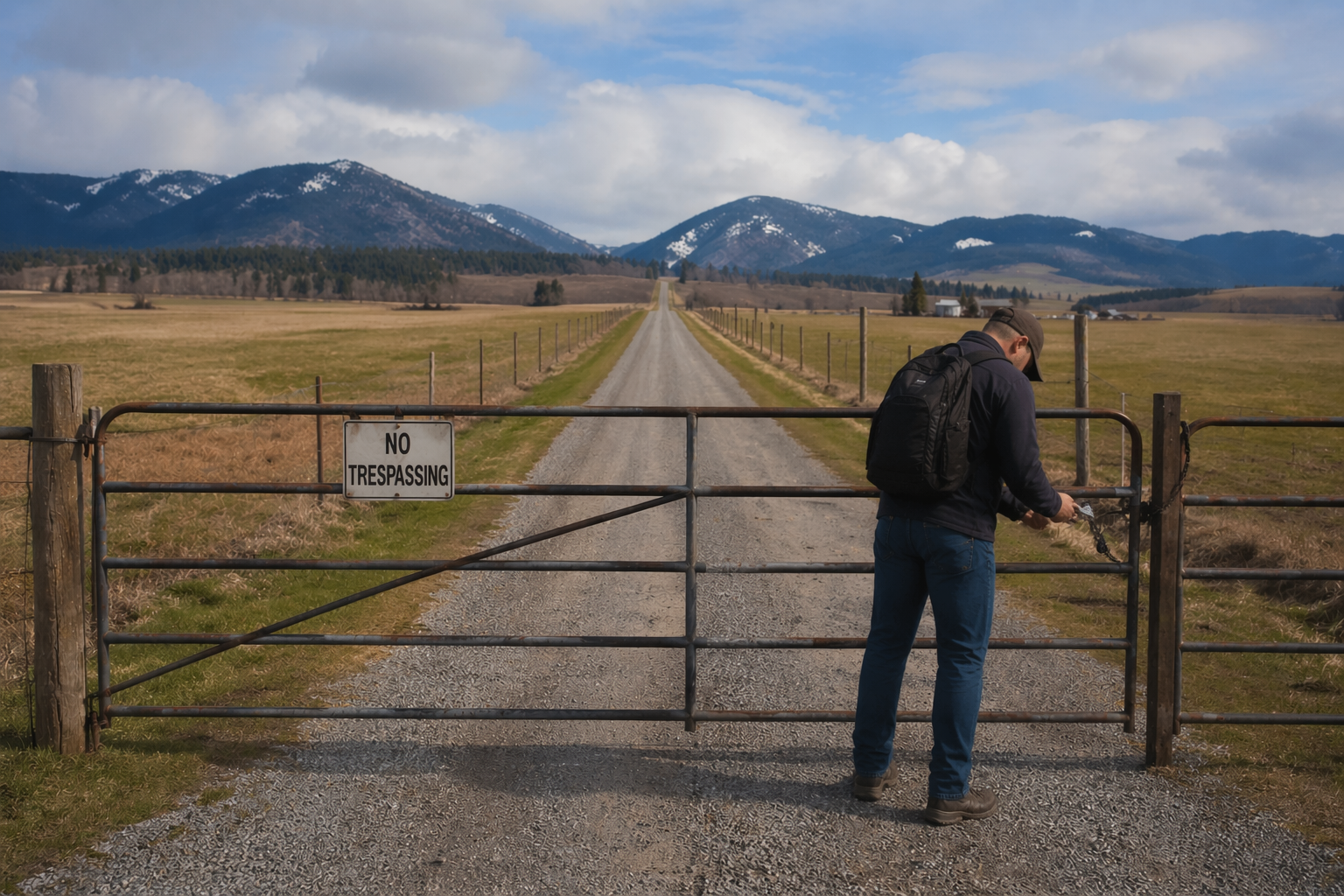
What is an Easement?
An easement is a legal right to use land owned by someone else for a specific purpose which is a property interest and must meet legal requirements to be valid. The most common examples of easements are driveway/access easements which allow you to cross someone else’s property to access your property, utility easements which allow utilities to be run across private property, and drainage or sewer easements.
Easements typically run with the land, meaning they bind all future owners of that property to the Easement. When purchasing property, it is imperative to have a title search completed so that you can fully understand what your and other individuals’ rights are to the property and if any easements exist on the land.
Types of Easements
The are several types of easements which can be created representing different rights and responsibilities.
- Express Easements: A written agreement between property owners recorded in the Register of Deeds of the county or counties that the property to be affected is located. This could be a right-of-way agreement granting access to your property or even a joint driveway agreement where two adjoining landowners share a driveway.
- Implied Easements: North Carolina recognizes three distinct implied easements: by necessity, by prior use, and by estoppel.
- Prescriptive Easements: An easement acquired through adverse use for the statutory period of twenty years.
- Statutory Easements: Easements created through North Carolina statutes for public purposes and utilities.
Creation and termination of Easements
Methods of creating easements generally recognized include through express grant or reservation, implication (necessity or prior use), prescription, estoppel, custom, and by will. Easements may be unilaterally terminated by abandonment, which is usually more than nonuse, agreement of the parties to the easement, and Court Order.
Common Easement Disputes
Easements are prone to disputes since two parties have the right to use the same piece of property. The most common types of these disputes are overuse or misuse of the easement, maintenance of the easement, obstructing the easement, or location and boundaries of the easement. These disputes frequently lead to court intervention. Easements are complicated and have specific requirements to be enforceable. Given the complexity of easement law it is imperative to be represented by an experienced attorney. The attorneys at Oertel, Koonts & Oertel have experience in handling these types of cases, whether you are looking to create an easement or find yourself having to dispute or enforce an already existing easement.